Gardening In LA
  • Home
  • About
  • Services
    • Garden Coaching
    • Speaking
    • Photography
    • Writing >
      • List of Articles
  • Blog
  • News
  • Monthly Tips
    • January
    • February
    • March
    • April
    • May
    • June
    • July
    • August
    • September
    • October
    • November
    • December
  • Events
    • Submit Your Garden Events
    • Botanical Gardens' and Other Organizations' Garden Events
  • Jobs
  • Web Links
  • Newsletter

Start Watering The Garden

2/7/2022

 
Picture
Purple cauliflower -- beautiful and sweet!
Picture
Multi-harvest: broccoli, bok choy, purple and white cauliflower chard, cilantro, lettuce. The white cauliflower has matured to the "rice" stage since it's teeny florets look like grains of rice; it's still tender and sweet.
Picture
Succulent blooming.
Picture
Succulent blooming.
Picture
Succulent blooming.
Picture
Succulent blooming.
Picture
Aeonium 'Sunburst' succulent.
Picture
70-year-old jade tree blooming.
Picture
First bloom: purple bearded iris.
Picture
First bloom: Chasmanthe aethiopica.
Picture
First bloom: Chasmanthe floribunda 'Duckittii'.
Picture
Row of peas have begun to bloom and set fruit. Each cage is a different variety, hence different heights and schedules for blooming and bearing pods.
Picture
Alaska pea blooms and pods.
Picture
King Tut pea blooms and pods.
Picture
Laxton's Progress pea blooms and pods.
Picture
Arctic Star Nectarine blooming.
Picture
Iochroma coccinea continues to bloom with nary a break.
Picture
The difference a couple of weeks makes: from one to many camellia blooms.
      As lucky as we in Southern California are, being able to sow seeds and transplant seedlings every day throughout the year, some timings are potentially more successful than others.  And equally mysterious in trying to gauge what the future will bring.  Now is one of those times.  Should I continue to sow and plant more cool-season plants, with this week’s forecast of 80+ daytime temperatures? The short answer is yes, since we really don’t know what the future will bring, nighttime temperatures promise to remain in the 50s, and it is only February.  If it was mid-April or May, I’d say to shift to warm-season crops exclusively.  But, for now, continue to go with cool-season veggies and posies through at least March.
 
Start Watering:  Methods
     Since it’s been more than a full month since it rained, though, the garden will definitely need irrigation, so start applying water either by hand or via soaker hoses or drip irrigation or overhead sprinkler.  Each method differs in how it moistens the soil surrounding the plant, and consequently different plants do best with different modes.
  • By hand is best for individual attention to plants when they need specific attention like filling a basin of a tomato plant.
  • Soaker hose that weeps along its length (not just with holes a foot apart) can be strung about 9” apart throughout and around plants so the entire bed is moistened. This is ideal for closely-planted vegetable beds.
  • Drip irrigation can be applied to individual plants that grow several feet from other plants. Be sure to use the appropriate head that will moisten the soil completely around the plant.  One great fault with this method is for the head to provide water only directly onto the center or stem of the plant alone, and leave the rest of the rootzone dry.
  • Overhead sprinkler is ideal for grass.  The problem with its use for perennials or other ornamentals is that once they attain some size after a year or two, chances are the sprinkler spray will be blocked for any longer-distance plant.
 
Start Watering:  Depth and Frequency
  • Depth of watering is consistent year-round depending on the individual plants -- however much is necessary to reach just below the full root zone of each plant.  For grass, this is 6”.  For most ornamentals, this is 12”.  For many vegetables, this is 12”; for tomatoes, it can be 3 feet! For trees, it’s 18-36”.
  • Frequency of watering changes with the seasons because of the intensity of the heat and evaporation, and the bulkiness of the plant’s foliage.  Test how long it takes for water to reach the desired depth – water one day, and dig into the soil the next day to see how far down the water went.  Then, adjust the length of time you applied the water.  If your soil is heavier, like clay, you may have to water some on one day (until runoff) and then again more the next day (until runoff) to get the soil moist deep enough but avoid having runoff.  Timings may be as little as once a month during winter, once every two weeks in the Spring and Fall, but as frequently during our Summer as twice a week during our weeks of more than 100 degrees.
 
For more of what to do this month, see February’s Monthly Tips
 
For more main-topic articles from past blogs, see Home Page

Cool-Season Vegetable Varieties To Try

1/17/2022

 
Picture
The original poinsettia, before all the breeding created colors and different "bloom" shapes, now naturally colors up its bracts for several months.
Picture
Cute mini rose.
Picture
Broccoli florettes are perfectly bite-sized bits ready to be harvested.
Picture
...and washed and crisped up ready for salads or soups or just munching.
Picture
Double paperwhites
Picture
Hardenbergia colors up in January and February.
Picture
Swiss chard sown last year sends up additional shoots for this year's harvest.
Picture
Shrimp plant offers a circus of color.
Picture
Pea plants are starting to put out their blossoms. Each cage is a different variety, so different heights.
Picture
Cilantro ready for cutting 1" above the base so it'll continue putting out more leaves for later harvest as long as the weather stays cool.
Picture
Sunburst Aeonium.
Picture
The first camellia.
     My garden hasn’t had frost – either hard or light – for many years, but I still consider that there are two separate ranges of dates for sowing vegetable seeds of cool-season crops.  The critical date is January 31, which is the average last frost date for my garden. 
     I consider this to split our cool season into two pieces.  Seeds sown prior to that date will develop during progressively cold weather and therefore probably bolt or go to seed as the weather begins warming in the spring.  Seeds sown after that date will develop during progressively warm weather and continue to bear food until they bolt in the summer. 
     So, I sow my cool-season seeds twice, during both timeslots.  Seeds sown in August through November will be for harvesting through the winter.  Seeds sown in February and March will be for harvesting through the spring.  I can’t count on the August-through-November plants to bear through till spring, because they’ll bolt as soon as the spring warmth tells them to set their seed.  So, my February-and-March sowing begins harvest when the first batch bolts. 
     I count on more of a yield with the earlier planting since it has several months of harvest, and less of a yield with the spring sowing because the plants have a shorter time to develop and me to harvest before they bolt.
     So, for example, I sowed parsley last fall, and we’ve been eating it since then, cutting several times.  These plants will bolt with spring’s warmth, so my parsley that I’ll sow in February and March will provide all the parsley we’ll need from then through early summer.  Then, I’ll sow it again next fall. 
 
What Are Frost Temperatures and Damage?
According to https://www.almanac.com/gardening/frostdates/, the classification of freeze temperatures is based on their effect on plants:
  • Light freeze: 29° to 32°F — tender plants are killed.
  • Moderate freeze: 25° to 28°F — widely destructive to most vegetation.
  • Severe freeze: 24°F  and colder — heavy damage to most garden plants.
 
What Should I Plant When?
According to https://www.almanac.com/gardening/planting-calendar/zipcode/ (put in your own zipcode), there are listings of many vegetables and the general date range to start seeds indoors, plant seedlings or transplants outdoors, or start seeds outdoors.  Instead of the “N/A” entries, I recommend doing that activity at a date similar to the other entries.  For example, sowing beets outdoors from mid-February to mid-March.  Also, because we never really know what the weather will do, I recommend additional sowings later in the season (as April and May for those beets) for potentially more food!  If those additional sowings don't develop after all, that's ok -- because if they do, then you've got lots more food for that simple "gamble"!
 
Some Cool-Season Varieties I’ve Enjoyed
  • Beets – Bulls Blood, Chioggia, Cylindra, Detroit Dark Red, Early Wonder, Ruby Queen
  • Broccoli – Calabrese Green Sprouting, DiCicco, Purple Sprouting
  • Broccoli Raab , Bok Choy, Other Greens – Aspabroc, Green Glaze Collards, Kailaan Chinese Broccoli, Komatsuna Japanese Spinach Mustard, Purple Lady Bok Choy, Rapini, Tatsoi, Toy Choy, Yellow Heart Winter Choy
  • Carrots – Bolero Nantes, Danvers Half-Long, Little Finger, Romeo, Scarlet Nantes, Thumblina,
  • Cauliflower – Cheddar, Romanesco, Sicilian Violet, Verde Di Macerata
  • Kale – Lacinato, Red Russian, Blue Curled Scotch Vates,  
  • Kohlrabi – Purple Vienna, White Vienna
  • Leek – American Flag, French Baby, Giant Musselburg, King Richard, Primor, Striesen, White Lisbon,
  • Lettuce – Bibb, Black Seeded Simpson, Bronze Mignonette, Buttercrunch, Butterhead, Butter King, Cimaron, Cosmic Crimson, Forellenschluss, Marvel of Four Seasons, May Queen, Red Salad Bowl, Rouge D’Hiver, Sanguine Ameliore, Speckles, Tennis Ball, Tom Thumb, Valentine
  • Peas (Shelling) – Alaska, Frosty, Green Arrow, Kelvedon Wonder, King Tut Purple, Laxton’s Progress #9, Lincoln, Little Marvel, Maestro, Wando
  • Peas (Edible Pod, flat) – Dwarf Grey Sugar, Mammoth Melting, Oregon Sugar Pod II,
  • Peas (Edible Pod, full) – Cascadia, Royal II Sugar Snap, Sugar Ann, Sugar Daddy, Sugar Magnolia, Sugar Snap, Sugar Snappy, Super Sugar Snap, Tendersweet
  • Spinach – Bloomsdale Long Standing, Dark Green Bloomsdale, Giant Noble, Merlo Nero, Oriental Giant
  • Swiss Chard – Bright Lights, Celebration, El Dorado, Five Color, Fordhook Giant, Garden Rainbow, Italian Silver Rib, Neon Glow, Neon Lights, Peppermint Stick, Ruby Red
 

Talking Tomatoes?  In January?

1/2/2022

 
Picture
This volunteer tomato - blooming, even - and the week's rain got me thinking about tomato varieties to grow this coming year.
Picture
This species poinsettia - the original long-legged one - "blooms" at the "right" time of year, but keeps its color coming for months.
Picture
King Tut edible peas are growing strongly. Other varieties are already putting out blossoms.
Picture
Rio Oso Gem grapefruits are getting bigger with all that wonderful rain.
Picture
Meiwa kumquat still has a couple of over-ripe fruit among all the new green globes.
Picture
First alstroemeria blossom.
Picture
Yellow bulbine will be in color for the next 11 months! A great drought-tolerant succulent.
Picture
Rosemary in color. When not in bloom, the plant provides cuttings for drying for culinary use.
Picture
Artichoke sends out many new "pups" that will bear fruit.
Picture
Encelia keeps on blooming year-round.
Picture
Deep maroon chard loves this weather and is great in salads, stir-fries, soups, and sautes. Yum!
Picture
Self-sown calendula color.
Picture
Baby bok choy ready for harvesting.
Picture
Lucille Ball rose supposedly is the exact color that her hair was!
     That wonderful week of rain – 5 inches here in Pasadena – got me reading Amy Goldman’s exceptionally informative The Heirloom Tomato from 2008.  I made a list of tomato varieties according to her judgements as fresh-eating with excellent flavor and a pleasing balance of acid and sweet.  Although the book is from 2008, and she grew her crops in New York, I feel that her scientific breakdown of the Brix (sweetness) values equaled my subjective assessments from many of the varieties that I have grown, so am willing to accept her determinations about others I’m not yet familiar with.  At least until I grow them myself!
      I usually give a new variety three chances in my garden before I either add it to my must-grow list or don’t-bother-anymore lists for future years.  This extensive in-the-garden experience proves to me that either the variety is consistently good or it isn’t worth further space and effort in the garden. Consequently I’ve grown many MANY tomato varieties over the years and have a definite sense of which qualities my family prefers. 
 
Why Now?
     Why bother thinking about summer’s tomatoes at the beginning of January, when our nights are barely above freezing and daytimes are at best in the 60s?  Mainly because I’m already enjoying eating my overwintering cool-season crops and love planning for summer’s reason for gardening! 
     For you, if you’re someone who starts your own tomato seeds for transplanting in February and March, my lists may help you determine which varieties to choose.
     Or, perhaps more likely, if you’ll wait until you can purchase 4” seedling plants when they become available at local nurseries or upcoming Tomatomania locations or online, my lists may also guide your choices.
 
Tomatoes In Amy's Book That I’ve Grown and Will Again
  • Big Rainbow, 5.5 Brix
  • Black Cherry, 9
  • Black Krim or Black Crimea, 5
  • Flamme or Jaun Flamme, 6
  • Green Doctors, 9.5
  • Green Grape, 7.5
  • Japanese Oxheart, 5
  • Marvel Striped, 7
  • Pruden’s Purple or Peruvian Black, 6.5
  • Yellow Brandywine, 7
 
Tomatoes In Amy's Book That I’ve Not Grown But Will Try to Find
  • African Queen, 6 Brix
  • Aunt Gertie’s Gold, 6
  • Aunt Ginny’s Purple, 5
  • Aunt Ruby’s German Green, 5.25
  • Believe It or Not, 5.25
  • Bicolor Mortgage Lifter, 5.5
  • Big Ben, 5
  • Black Russian, 5
  • Burpee’s Globe, 6
  • Dixie Golden Giant, 6
  • Gold Medal or Ruby Gold, 6.5
  • Goldman’s Italian American, 7
  • Great White, 6
  • Green Giant, 5.5
  • Hugh’s, 5.5
  • Hungarian Heart, 7
  • McClintock Bog Pink, 5.5
  • Pink Salad, 6.5
  • Radiator Charlie’s Mortgage Lifter, 5
  • Red Brandywine, 7.5-9
  • Red Rose, 7
  • Sudduth’s Brandywine, 6
  • White Beauty, 5
  • Wild Sweetie, 10
  • Yellow Peach 7
 
Varieties In Amy's Book That I’ve Grown, Didn’t Like, and Won’t Grow Again
(Amy listed their flavor as poor or fair)
  • Ailsa Craig, 4.5 Brix
  • Big Zebra, 5
  • Black From Tula. 5
  • Black Prince, 5
  • Black Zebra, 4.5
  • Copia, 4.5
  • Costoluto Genovese, 5
  • Green Zebra, 5
  • Marmande, 4
  • Persimmon, 5
  • Purple Calabash, 6.5
  • Red Zebra, 5
  • Rutgers, 5
  • Tiger Tom or Tigerella, 6

 
My 2021 Results:  Not Considered in Amy’s Book
     In 2021, I harvested 1013 tomatoes from 30 plants, 828 small ones and 185 big ones. 
  • Varieties I’ll definitely grow again because of their high yield and flavor:
    • Isis Candy
    • Stupice
    • Cherokee Purple
    • Sungold
    • Celebrity
    • Cherokee Chocolate
    • Cherokee Purple
 
  • Varieties I tried for the first or second time and may or may not try again:
    • Paul Robeson
    • Cherokee Carbon
    • Brad’s Atomic Grape
    • Atomic Fusion
    • Pineapple
    • Kellogg’s Breakfast
    • Indigo Gold Berries
    • Brandy Boy
    • Carbon

Happy Tomato-ing!

For more of what to do this month, see January’s Monthly Tips
 
For more main-topic articles from past blogs, see Home Page 

Chill Hours for Nut and Fruit Trees (Except for Citrus)

12/14/2021

 
Picture
Winter sky following today's downpour.
Picture
Peas and lettuce are loving the rain and chill.
Picture
Experimenting with a volunteer tomato that came up during the warmth earlier this Fall. If it finally sets some fruit, we'll see whether it tastes better than cold cardboard....
Picture
Two Rio Oso Gem grapefruits.
Picture
Striped nasturtium bloom.
Picture
Pineapple sage transplanted a month ago amongst nasturtium foliage.
Picture
Broccoli setting its tiny first heads.
Picture
Artichokes transplanted a month ago.
Picture
4-year old artichoke sets its first blossom/fruit 'way down at the base of the foliage.
Picture
Grape vines losing their leaves.
Picture
Sunflower somewhat battered by the rainstorm but blooming any way.
     What are “Chill Hours” and why do they matter for nut and fruit trees (except for citrus)?  Chill hours are accumulated when the air temperature is between 32 and 45 degrees minus the number of hours when the air temperatures is above 60 degrees.  As these chill hours accumulate, the trees stay “dormant” – literally taking a rest because their systems are shutting down to a bare minimum of activity.  With this week’s rain and chilly weather staying below 41 degrees during the nights and below 61 degrees during the days, fruit trees and other plants are definitely benefiting. 
     The number of chill hours is what determines the likelihood of successful fruit-bearing wherever they are grown.  It’s best to try to match the tree variety's required number of chill hours with where they’re grown.
     For example, when we lived in Davis, one of my favorite plum trees was Green Gage.  Since Davis generally gets between 800-1000 chill hours annually, many trees are successful there.  However, since my Pasadena area gets only between 350 and 450 chill hours (and I think that’s overly optimistic, given previous winters of drought and warmth), we have a much more limited group of possibilities for success.  Because Green Gage generally requires 700 hours, it’ll do very nicely in Davis but not so well here in Pasadena. 
     Even with wishfully hoping that the number of supposedly required chill hours for a particular tree variety is more than it can actually produce a good number of fruit, Green Gage is beyond my success.  I proved this to myself when we’d first moved back down here from Davis in 1994, when our winters still had a good amount of both rain and cold.  I’d purchased a Green Gage and planted it in a spot that got the most winter chill in my yard, so I thought that we might get even a minimum amount of fruit.  But that poor tree struggled for a couple of years, putting out progressively less foliage and few blossoms, and then it gave up completely.  Because my yard hadn’t provided anywhere near enough chill hours, the tree couldn’t go dormant and rest before each successive year’s push of new growth.  So it literally grew itself to death.
     One example of the number of chill hours between 32 and 45 degrees for several locations in Los Angeles County between November 1 and February 28/29 are:  Arleta 52, Chatsworth 19, Glendale 0, Long Beach 64, Monrovia 43, Palmdale 297, Palmdale Central 192, Pomona 68, Santa Clarita 55, Santa Monica 0, West Hills 43.  For other locations, see https://fruitsandnuts.ucanr.edu/Weather_Services/Chill_Calculators/ .
 
     Here are some low-chill fruit tree varieties (less than 300 hours) suggested by Grow Organic, https://www.groworganic.com/blogs/articles/chill-hours-what-are-they-how-do-i-count-them-and-why-do-my-fruit-trees-car --
Apples – Anna, Low Chill multi-graft, Dorsett and Sundowner
Apricots – Gold Kist or Katy
Plums – Methley, Burgundy, Satsuma or Mariposa
Pluot – Dapple Supreme
Cherry – Royal Lee, Minnie Royal and Royal Crimson
Peach – Red Baron, Low Chill multi-graft, Saturn, Babcock, Sauzee Swirl, Mid-Pride and Eva's Pride
Nectarine – Spice Zee Nectaplum, Double Delight or Snow Queen
Pears – most require over 300 chill hours. Asian pears require the lowest chill hours of all pears.
Figs, Pomegranates, Quince, Persimmons – all require 300 or less chill hours
Special Hybrids – Spice Zee Nectaplum or Flavor Delight Aprium

For more December tasks.
​
​For more Winter topics.

Peas Are Up!  [Come to 12/11/21 Plant Sale!]

11/27/2021

 
Picture
Peas are up! And a volunteer tomato in the lower left, as well! Last year, I transplanted several volunteer tomato seedlings, and they bore nice fruit, although some seemed to be crosses between big and cherry tomatoes; at least they tasted nicely!
Picture
Planting Living Herbs. When I brought them home from the grocery store, I put the rootball into a cup of water and thoroughly moistened the foliage after spreading it out around the rim of the cup (left). After an hour - to make sure that the rootball was thoroughly saturated - I gently pulled it apart into 3 or 4 pieces (however it easily broke apart on its own), and planted each part.
Picture
Artichoke seedlings transferred from germination tray to 4" pots.
Picture
Carrots germinated from sowing directly. As each grows at its own rate, I'll pull the larger ones for a natural "thinning".
Picture
Chard is growing heartily after recuperating from summer heat. When harvesting, pull each leaf from its base to leave no remnant to attract snails and slugs. Toss tough older leaves into the compost pile, harvest the tender mid-size leaves, and leave the really young inner leaves to develop further for the next harvests.
Picture
Purple Passion asparagus arising as a result of thoroughly watering the just-planted pea seeds.
Picture
Rio Oso Gem grapefruit.
Picture
AT THE 12/11/21 PLANT SALE -- Succulents in 3" pots and 1-gallon pots.
AT THE 12/11/21 PLANT SALE -- ​Plumeria in 4 colors 
The great thing about all these too-hot-to-be-Fall temperatures is that the peas just about jumped out of the soil from planting barely a week ago.  This contrasted from several years ago when the soil was so chilly that it took four plantings two weeks apart before any came up – and then they ALL came up at the same time.  And with night-time temperatures no lower than the mid-50s, lettuce and chard and broccoli and other greens are already gracing our dinnertime salads.  I’m determining to plant more cool-season veggies as long as this warmishness continues, instead of assuming it’ll shortly get too chilly.
 
Planting Living Herbs
I’ve made a nice discovery – purchasing packaged living herbs from the grocery store and planting them into the garden.  The price is a real bargain – about $2.50 for the living herb packet – that has some 20 or more little plants in a 1” rootball – instead of paying $5 for a single plant in a 4-inch pot at the nursery!  I started with sage a month ago and just harvested and dried some leaves.  Yesterday I planted oregano, marjoram and thyme. 
 
I’m counting on the weather remaining warm enough so these herbs thrive through the winter.  We’ll see whether we can take advantage of climate warming this way!
 
Potting Up Germinated Seedlings
From the trays where I’d started many kinds of seeds, I’ve been potting up the individual plants into 4-inch containers so they can further develop more extensive root systems before transplanting them into the garden where they’ll mature.  For the first week, I kept them in the bright-light-but-no-direct-sun.  Then, I’ve moved them to a spot where they’ll get direct sun from about 9am to 1:30pm.  Next move will be to the pathway next to where I’ll transplant them to mature.  After another week, when they’ve developed their second set of true leaves, I’ll get them into the ground.
 
Sowing Directly – Beets, Carrots, Kohlrabi, Parsley
These seeds get sown where they’ll mature to enable their long thin rootlets to establish themselves directly downward into the soil without having to try to straighten up after being curled up in 6-packs or 4” pots.  This is critical for carrots since that rootlet is the part that ultimately enlargens and then we eat it.  Not so much for the beets and kohlrabi and parsley since we don’t eat the root, but sowing their seeds directly helps them establish themselves sooner and more strongly than if they have to deal with reestablishing that long thin root later as a result of being transplanted.
 
Chard and Lettuce Harvests
Chard planted last spring is again lush and plentiful now that it’s recuperated from summer’s heat.  And lettuce planted weeks ago – mostly buttercrunch type that’s my favorite because it’s so crunchy and flavorful – is putting out lots of leaves.  When I harvest both, I pinch off each leaf as close to the plant’s base as possible to leave as little remnant as possible that might attract slugs and snails.  Tough older leaves I toss into the pathway to move later en mass to my compost pile.  Tender younger leaves go into my harvest basket.  Really young leaves at the plants’ centers are left in place to develop further for the next harvest. 
 
December 11 Plant Sale, 10am-2pm,
Baker’s Acres, 18552 Erwin Street, Tarzana 91335
I hope you’ll come to the Southern California Horticultural Society plant sale.  Entry is free.  For more information, www.socalhort.org
  • Several board members and I have been propagating a wide range of plants through the pandemic so we can share with other gardeners.
  • I’ll be bringing:
    • Cool-season veggy seedlings in 4” pots:  Green Globe Artichoke, Toy Choy Baby Bok Choy, Purple Lady Bok Choy, Kailaan Broccoli Raab, Celebration Chard, Green Glaze Collards, Chijimisai Greens, Komatsuna Mustard Spinach, Japanese Purple Mustard, Bloomsdale Longstanding Spinach.
    • Thornless Boysenberries in 1-gallon pots
    • Succulents in 3” pots
    • Succulents in 1-gallon pots
    • Plumerias in 1-gallon, 2-gallon, and 5-gallon pots.
  • Other plants and items will include:  pelargoniums, lilies, bulbs, ferns, and more!
  • And books!
 
For more Monthly Tips, see December.
 
For more seasonal past blog discussions, see my homepage listing.
 
You may be particularly interested in this one:  Holiday Décor From Your Garden - 11/19/19
​

Fall Is Another Spring

11/13/2021

 
Picture
Seedlings coming up in 2" cells. Individual cells with several seeds germinated will either be transplanted into individual 4" containers, once they've developed a bit more.
Picture
Artichoke seedlings transplanted to 4" containers.
Picture
Artichokes and broccoli plants transplanted 3' apart with buried 5-gallon pots in between for irrigation that releases the water directly to the root systems about 9" deep.
Picture
Perennials planted on hillside with pink flags to remind me which need watering every 3rd day for another 2 weeks to enable root systems to reach out into the native soil.
Picture
On a hillside, dig soil about 9" deep, pull soil to create a front berm, rough up plant's root system, mix soil mix with native soil, settle plant into hole, create 9"-wide flat area around plant, water 3 times to ensure that all soil has "melted" against root system and all soil is thoroughly moistened.
Picture
Succulents in 3" containers ready to transplant.
Picture
Grapes pruned and anchored to 3-level wire. Note buried 5-gallon containers between each plant for deep irrigation.
Picture
Salvia greggii continues to bloom through pruning down to about 18" mound.
Picture
Salvia leucantha pruned back to about 18". New growth will emerge in only a couple of weeks.
Picture
Swiss chard recouperated nicely following summer's heat. Harvesting outer leaves will allow inner leaves to continue developing. Plants may or may not bolt - go to seed - late next spring. I've started more seeds for transplanting then just in case these do bolt.
Picture
Peruvian Daffodil - Hymenocallis festalis
Picture
'Charles Grimaldi' brugsmania blooming after severe pruning from 10' tall to 3 ' tall.
Picture
Double white brugsmania blooming after severe pruning from 10' tall to 3' tall.
Picture
Upright rosemary blooming.
Picture
Tithonia blooming.
Picture
Rio Oso Gem grapefruit set.
Picture
Leonitus leonurus - Lion's Mane, Lion's Tail.
Picture
Hymenocallis 'Sulfur Queen"
Picture
Bougainvillea and Solanum intertwined blooming.
Picture
Sunflower continuing to bloom, and seeds that have fallen to the ground are germinating following that wonderful rain we had! Definitely a perpetual!
Picture
Salvia leucantha and Callistemon blooming together.
Picture
Blue aster and pinky-red shrimp plant blooming together.
Picture
Red Odontonema strictum "Firespike"
Picture
Classic bougainvillea 'Barbara Karst'
​Far from being only a time for cleaning up and shutting down the garden like other parts of the country where severe cold and snow are the winter rule, our Southern California gardens provide another starting-up time for our cool-season veggies and posies.
 
Several years ago, the commercial nursery theme was “Fall Is For Planting” and this is especially true for us here in SoCal. Every type of plant was promoted – edibles and ornamentals, seeds, bulbs, transplants, annuals, perennials, shrubs, trees, and California natives and other drought-tolerant plants.  This continues to be a wise approach for us.
 
The main advantage to planting in the Fall is the months of still-warm-from-summer soil temperatures with mildly chilly air temperatures that enable excellent root establishment.  Then, with early Spring’s warming temperatures in February and March, these now-established plants can energetically continue growing where they let off.  Consequently they’re able to thrive during the developing heat of late Spring and early Summer.  For plants just transplanted in Spring, there’s little time for them to get really well established prior to the onslaught of the heat.
 
In fact, I much prefer gardening during this time of year because we can keep planting through Winter into Spring, and then harvest for months and months before the heat takes over and makes the plants bolt (go to seed).  And, with our increasingly warm winters with little rain and a lack of even minor frosts, the coolness in both air and soil is of great advantage to plants’ continuing establishment of root zones for strongly-growing plants. 
 
While it’s fun to play with planting out-of-prime-season, heat-loving vegetables like tomatoes and squash and beans as an experiment in extending the seasons, I do prefer to grow plants now that love the cool weather and produce mightily – and taste the best because it’s their prime season!  Especially if you have limited space or energy, I recommend growing appropriate to the season.
 
I’ve planted more seeds or transplants of artichokes, asparagus, beets, broccoli, chard, chives, coriander (cilantro), garlic, kale, kohlrabi, leeks, lettuce, mustards, green and bulb onions, parsley, peas, radishes, and spinach.  I’ve also transplanted about a dozen new perennials.
 
And also pruned back my years-old established perennials to about 18” mounds, hopefully to entice the rain to moisten the entire expanse of soil. 
 
If and when rain does threaten, I’ll scatter poppy and wildflower seeds throughout the garden to hopefully germinate before the birds find the seeds!
 
For more Monthly Tips, see November.
 
For more seasonal past blog discussions, see my homepage listing.

Halloween Harvesting In The Garden

10/27/2021

 
Picture
My official gardener's Halloween tile.
Picture
Many expressions of carved pumpkins.
Picture
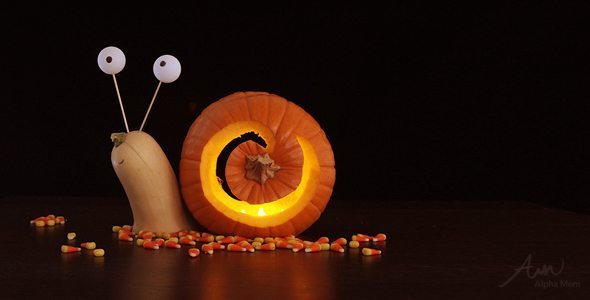
Snail pumpkin.
Picture
Glass pumpkin.
Picture
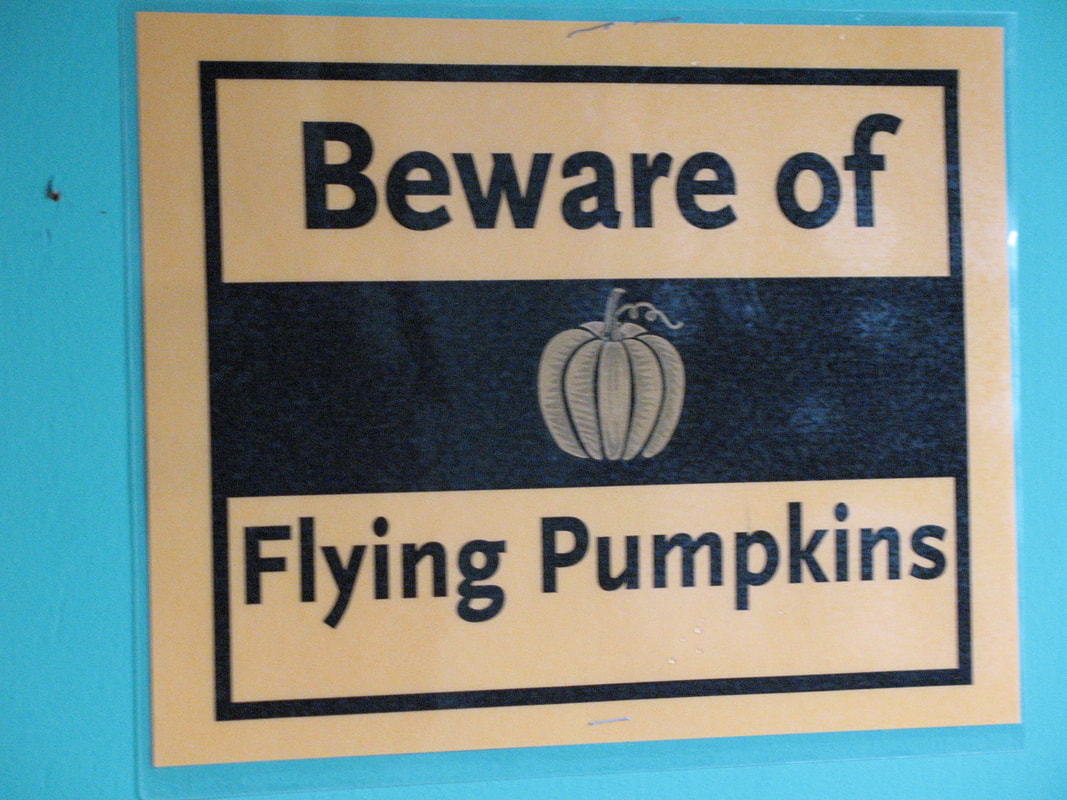
Watch out on Trick-or-Treat night!
Picture
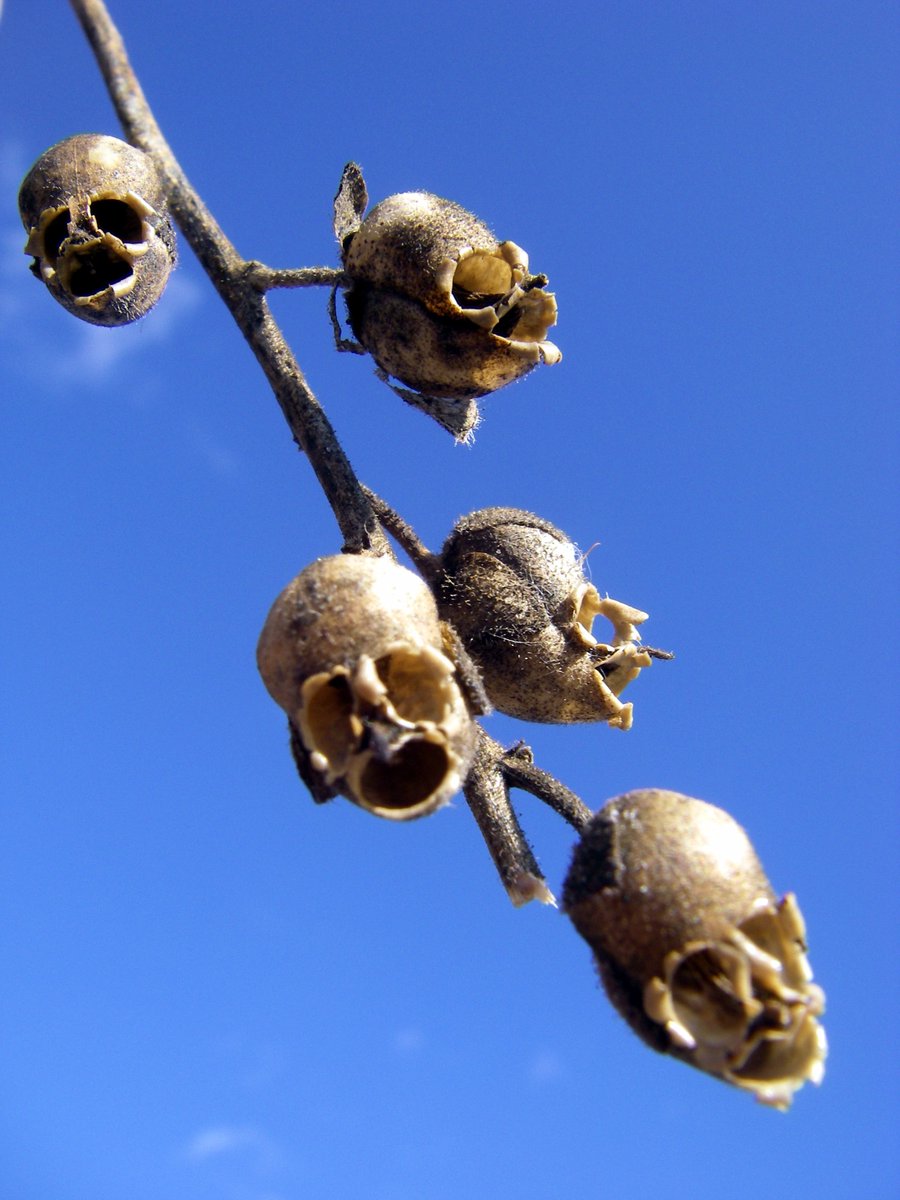
Antirrhinum seed pods!
Picture
Succulent-filled pumpkin.
Picture
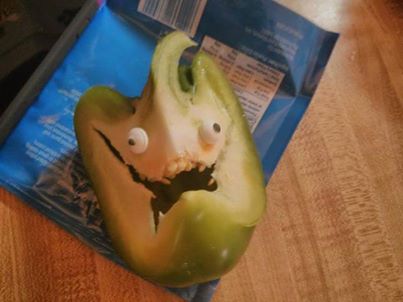
A green bell pepper gets into the act.
Picture
And a whole set of other veggies gets creepy!
Harvesting for Halloween and the upcoming holidays is such a treat, with mild and beautiful weather.  And even that glorious rainstorm soaking the garden!  Here’re some tips for picking and handling the glorious goodies at their prime.
 
Pumpkins
  • Harvest winter squash, pumpkins, and decorative gourds when the vines are dry and the rinds are hard and resist easy puncture by a fingernail. Cut the stems rather than breaking or tearing them, and leave two inches of stem attached to the squash to lessen the chance of spoilage. Be careful to not nick or otherwise bruise the fruits, as these areas will be especially  prone to decay. 
  • Toast--don't toss--your pumpkin seeds when you carve your Jack O'Lantern. Separate the seeds from the stringy pulp by washing the seeds well. Spread them on a cookie sheet and sprinkle lightly with salt if desired. Toast them for three or four minutes at 375 degrees Fahrenheit, stir, and toast another two or three minutes until they're evenly golden. Cool them to room temperature, and enjoy!
 
Ornamental Gourds
  • Allow ornamental gourds to dry completely before picking them (the seeds should rattle inside when the gourd is shaken).   Gourds will dry more quickly if you drill a small hole at each end. Let them cure in a dry, well-ventilated area at room temperature for two weeks.
  • Store cured squash at 50 to 60 degrees in a dry area. Check them weekly for mold. If any appears, wipe it off with a paper towel moistened with vinegar.
  • Dried squash should keep up to six months.
  • Wipe the harvested gourds with a mild solution of bleach and water, and pat them dry with a towel. 
  • If you prefer the glossy look, give them a coat of varnish or shellac, and let them dry for a full day, turning them once or twice to assure complete drying.
 
Herbs
  • Harvest herbs for making wreaths or vinegars as holiday presents.
  • Herb wreaths are easy to make and can include whatever herbs are most enjoyed by your recipient.
  • Good choices include basil, oregano, marjoram, anise, parsley, thyme, sage, dill, and tarragon.
 
Leaf Lettuce Through the Winter
  • Leaf lettuce can be harvested little by little -- literally, leaf by leaf -- over several months' time, rather than waiting for a single harvest of each mature head.  
  • For continuous  harvests of tender and succulent leaves, pick only the outer two or three, and leave the two or three innermost ones to continue growing.  
  • In this way, many plants  can be planted closely together in a small area and yield tasty  high-quality  salads over a long period of time.  
  • Be sure to remove  outer  leaves that  are damaged or overmature,  so snails and sowbugs will not be attracted, and bolting will not be initiated too early.
 
Potatoes
  • Harvest potatoes now, being careful not to cut or bruise them, or leave them in the soil for harvesting through the winter.
  • Take care to not expose them to sunlight or soil cracks, however, or they'll develop inedible, bitter green areas. (After cutting off these greenish areas and discarding them, the remaining potato can be eaten.)
  • After harvest, hold the potatoes at 75 to 85 degrees for a week, and then store them at 50 to 60 degrees with high humidity. They should keep for six to fifteen weeks.
  • But don't refrigerate them – keeping them at 36 to 40 degrees will turn some of the starch into sugar, making them taste oddly sweet and fry dark.
 
Sweet Potatoes
  • Harvest sweet potatoes when the vines yellow.
  • Try to get them before the leaves are killed by frost.
  • Air dry them for a day, keep them at 85 to 90 degrees with 90 to 95 percent humidity for one to two weeks, and then store them at 55 to 60 degrees and 90 to 95 percent humidity.
  • The flavor gets sweeter during storage, as part of the starch content turns into sugar (what you didn't want to happen with the white potatoes).
 
Grape Branches
  • Use grape branch cuttings to create wreathes for winter  holidays, Valentine's Day, birthdays, etc. Strip off the leaves, weave the vines into the desired shape, and decorate them.
 
Sunflower Stalks
  • Save sunflower stalks, stripped of their branches and leaves, to use next year as trellises for peas and beans.
 
Turnips
  • See my just-posted "News" item that turnips were the precursors to carved pumpkins.

For more "Monthly Tips," see November.
 
For more seasonal past blog discussions, see the "Major-Topic Blog Articles" listing on my homepage.

Container Gardening

10/11/2021

 
Picture
Many kinds of containers. Best to match the extent of the roots to the container so the plant thrives.
Picture
Satisfy the plants' needs, and both you and they will be happy, despite having their roots restricted.
Picture
Using ornamental pots without drainage holes can be successful if the plant is in its own pot with drainage, and you spill out the excess water weekly.
Picture
Hanging pots can be problematic unless you pay close attention to watering.
Picture
Matching plants' textures, colors, sizes with contrasting pots can be fun.
Pay close attention to plants' requirements for sun - or no sun.
Picture
Use a high-quality, sterilized soilless planting mix combination of organic materials, instead of garden soil which is too heavy for successfully growing in containers.
Lots of vegetables will grow and produce well in containers.
Fruit and ornamental trees also can make good container plants.
Flowers also can do well in containers.
Picture
When combining plants in a large pot, be sure to consider the depth each plant's roots will need. Here, artichoke's deep roots won't compete with herbs' shorter roots or water.
Picture
Transplanted lettuce and seeds sown for the next crop.
Plant high-yielding vegetables in containers.
Picture
Make sure container soil mix is kept well-moistened so plants thrive.
Picture
Major fertilizer elements are Nitrogen, Phosphorus, and Potassium. Minor nutrients and trace elements are also necessary.
SOME FUN CONTAINERS
Picture
All of us may fantasize this as our very own container garden. It's somewhere in Italy.....
Container gardening can allow gardeners to grow anything anywhere, but some guidelines will foster greater success.
 
Why?  Why Not?
Advantages
  • Patio or balcony, fence or steps…anywhere where light level matches plant needs
  • Move per seasons to follow or avoid direct sun
  • Move for enjoyment when in bloom or fruiting
  • Create special soil mix as for blueberries or orchids
 
Disadvantages
  • Roots restricted
  • Sensitive to weather – summer heat, winter cold, wind, indoor ventilation
  • Frequent irrigation and fertilization
  • Frequent root pruning and repotting
 
What Type of Container?
Almost any kind of container is usable, but here are some basic requirements.
  • Drainage holes allow water to drain fully from air pores.
    • Use a piece of window-screening, coffee filter and a clay piece to block the drainage hole so soil mix won’t run out.  Using more than a single clay piece or “peanuts” reduces the space the root system can grow.
    • Planted container with drainage can be placed inside an larger container without a drip hole if drained water is poured out so it doesn’t stagnate. Filling the interspace with soilless mix will help insulate the plant’s root system.
  • Size matches the plant’s root system – larger is better – to allow roots to develop as large a root system as possible within that confined space. 
  • Deeper is better than wider so gravity holds cooler water at the base.  Shallower results in too much evaporation.
  • Material and color affects plant growth. 
    • Glazed clay will evaporate less and insulate more
    • Unglazed clay will evaporate more
    • Wood will absorb and hold water and insulate more but will rot
    • Plastic will heat up more and evaporate less
    • Metal will heat up the most.
    • Light color will reflect sun’s heat.
    • Dark color will absorb sun’s heat.
  • Hanging baskets require more frequent irrigation, especially if they’re in the direct sun and hot weather.
 
How Much Sun?
It depends on what kind of plant, and why you’re growing it.
  • If you’re growing a plant for its foliage, it needs about 6 hours of direct sun daily.
  • If you’re growing a plant for its flowers or fruits, it needs more than 8 hours of direct sun daily. This can be difficult to provide for indoor containers.
  • Plants that require bright shade like African violets may also be grown as houseplants indoors.
 
What Kind of Soil Mix?
  • Don’t use regular dirt since it may contain disease spores and weed seeds; it is generally too heavy to drain well in the restricted space of the container.
  • Use a high-quality, sterilized soilless planting mix combination of organic materials that will absorb and hold moisture but also drain well so roots remain evenly moist with access to air pores. 
  • When filling the container, leave a 1-inch space at the top after lightly compressing the soil mix with your fingertips to allow watering space.
 
What Can I Plant?
Vegetables
Food production requires as much space for root systems as possible, and more attention to irrigation and fertilization.
 
12” deep container
Beets                     3” apart
Bok Choy              6” apart
Carrots                 2” apart
Garlic                    3” apart
Leaf Lettuce         6” apart
Onions                  3” apart
Radishes                2” apart
Spinach                 5” apart
Strawberries        6” apart
Swiss Chard          9” apart

18” deep container
Beans                    5” apart
Broccoli                12” apart
Cabbage                24” apart
Cauliflower           24” apart
Cucumbers           5” apart
Eggplant                12” apart
Peas                      3” apart
Peppers                12” apart
Squash                  18” apart
 
24” deep container
Blackberries         18” apart
Blueberries           18” apart
Potatoes               6” apart
Tomatoes             18” apart
 
Fruit and Ornamental Trees
The largest possible container is best, and the most attention to fertilization and irrigation because you expect long-term growth.
  • Will require root pruning and repotting every couple of years
  • Fig trees can tolerate restricted root systems well, and extensive annual pruning will still produce a good-sized food crop.
 
Flowers
Most annuals and perennials will do well if container is large/deep enough and lots of bright light is provided. 
  • Annuals will tolerate crowding.  Some include alyssum, begonia, coleus, impatiens, lobelia, marigold, nasturtium, pansy, petunia, snapdragon, sunflower, zinnia
  • Bulbs do well when planted in layered depths, especially when topped with annuals. Some include daffodils, tulips
  • Perennials, especially drought-tolerant varieties, will thrive for at least a couple of years before requiring root pruning and repotting. Some include bromeliad, chrysanthemum, clivia, coreopsis, geranium, lantana, orchids, salvia, succulents
 
How Many Plants Can I Plant In Each Container?
The more plants in a container, the less successful each will be because they’re competing for irrigation and fertilizer and light.  Estimate space use for both mature root systems and foliage.
 
Seeds or Transplants?
Both are fine when root and foliage space are considered.
  • Seeds are best for plants that germinate and grow quickly.
  • Transplants are best for eggplant, pepper, tomato, and most flowers.
  • Both – at beginning of each season, sow seeds and purchase first seedlings of lettuce, spinach and Swiss chard from nurseries to get a quick start on harvests before your seedlings catch up.
  • Choose high-yielding vegetables – beans, beets, broccoli, carrots, lettuces, peppers, radishes, squashes, tomatoes.
 
How Frequently Must I Water?
Keep soil mix evenly moist.  Timing will vary according to season, size of container, soil mix, and amount of direct sun it receives. During hot weather, check containers daily.
  • Larger container with more soil mix helps moderate soil temperature so the plant can grow an extensive root system.
  • Double-potting moderates even more.
  • Determine whether the container needs watering by sticking your finger all the way into the soil mix. If it’s moist more than 1 inch down, it doesn’t need water.  If it’s dry 2 or more inches down, it needs water.
  • Water slowly enough so the soil mix absorbs it before draining out the bottom hole. 
  • If the soil mix is dry, the water may run down the insides of the container instead of moistening the mix.  Roughen up the surface soil and water again; it may take 3 fillings before excess water exits the drainage hole after moistening the mix. 
  • During warm months, provide a drip pan to catch the drained water so the plant can reabsorb it as it needs it.
  • During cold rainy months, remove the drip pan so the soil mix won’t remain oversaturated.
 
How Frequently Must I Fertilize?
Since plant roots are restricted in the container, they depend on you for nutrition, and every watering drains away nutrition.
  • Use a “balanced” fertilizer which contains all 3 macronutrients:  N = Nitrogen for green leaves.  P = Phosphorus for flowers and fruits.  K = Potassium for root growth.
  • Choose fertilizers that also include trace elements for broad-spectrum nutrition.
  • Organic fertilizers include fish emulsion, seaweed, kelp, blood meal and bone meal. 
  • Feed with a quarter-strength liquid fertilizer every other time you water.

Dividing Perennials – Bearded Iris, Coral Bell, Daylily, Shasta Daisy, Yarrow

9/23/2021

 
Picture
Bearded iris, before and after trimming. Now, to transplant them so they have more room to grow and bloom!
Picture
Coral Bells when they were in bloom at the California Botanic Garden (formerly Rancho Santa Ana Botanic Garden).
Picture
Daylilies when they were in bloom earlier.
Picture
Lily when it bloomed earlier.
Picture
Shasta Daisy when it bloomed earlier.
Picture
Yarrow when it bloomed earlier.
Picture
Succulent blooming now!
Picture
Self-sown sunflowers have been blooming since last January and will continue until I cut them back so I can walk in that pathway!
Picture
Variegated plectranthus has sky-blue blooms for months and months and months....
Picture
Chard has recuperated after being watered again and having tough old leaves removed. Cooler fall weather and continued watering will yield tender leaves again.
Now through November is a great time to divide and replant perennials that have grown well for several years but perhaps haven’t bloomed well this past year.  While daytime air temperatures are cooling down, soil temperatures will remain warm and inviting to newly-transplanted perennials so they can develop extensive root systems before slowing down for the winter, giving them a full season's root development over those planted in the spring. Set them out in the cooler late afternoons or evenings, and water them in.

Here are some specifics to consider.
 
Bearded Irises
Divide clumps if they have less than an inch of soil space between rhizomes or if they didn’t bloom well last spring.  Trim foliage fans to about eight inches from the rhizome. Discard the old, leafless center sections, even if they appear firm since they won’t bloom again.  Trim white- and cream-colored roots of the newer sections to two inches in length.  Trim shriveled brown or black dead roots off completely.  Point the green fan growth in the direction that you want them to grow.  Plant the rhizome so the roots are under the soil surface but the rhizome’s top half is uncovered.  Don't fertilize them, and don’t mulch them, since the rhizomes need to be open to the direct sun and air.  Water them in well after planting and every other week to keep the soil barely moist so the roots can develop more fully. 
 
Coral Bells
Coral Bells send out stringers of baby plants.  If they’re already rooted, separate them from the mother plant with a trowel or knife.  If they’re not yet already rooted, then clear a 4” area of soil and nudge the base of the baby into the soil so it’ll root for transplanting later.  On the separated rooted baby plants, remove dead and outer leaves, leaving several new-growth center leaves to continue photosynthesis. Mother plants that are fully developed into a clump of plants can also be separated into individual plants by gently pulling it apart and planting them. 
 
Daylilies
Dig clumps of daylilies and trim foliage back to about a foot tall.  Separate smaller individual groups of fleshy roots as they’ll easily come apart, or insert a spading fork or shovel between them to wiggle or slice them apart into groups of several each.  Plant new groups about an inch deep in well-drained soil amended with organic matter, with each of the root “fingers” extending outward and downward.  They’ll bloom nicely in full sun but will tolerate partial shade, as long as they get a full 6 hours of sun daily.  Smaller varieties will do fine in pots that are large enough to allow extensive root growth.
 
Lilies
Dig up clumps of lily bulbs, separating the individually-rooted bulbs gently.  If any of the “scales” on the bulbs fall apart, they can be replanted in their original direction so hopefully they’ll root. There may also be some tiny bulbs at the base of the flower stalk that you can pot up to bloom in a couple of years.  Leave all the roots on the individual bulbs as you replant them, or slightly trim any really long ones.  Keep a three-inch layer of humus on top of the replanted roots, and keep the soil barely moist as the bulbs don't ever go fully dormant even after losing all their top foliage.
 
Shasta Daisies
Shasta daisies are perhaps the easiest of this bunch to dig up and separate because the individual young plants grow so loosely together so are separated the most readily, without cutting or ripping. 
 
Yarrow
Yarrow multiplies by underground rooted runners so is easily pulled or dug up, separated, and replanted.  Yarrow can suffer from some transplant shock, so keep the transplanted area protected from direct sun, and keep the soil moist, until new growth is apparent.  Depending on the variety and your garden’s growing conditions, it may become more vigorous than you’d like, especially in richly amended soil.
 
For More Garden Tasks
See September and October
 

Theoretically Transitioning To Cooler Weather, and Tomato Results

9/5/2021

 
Picture
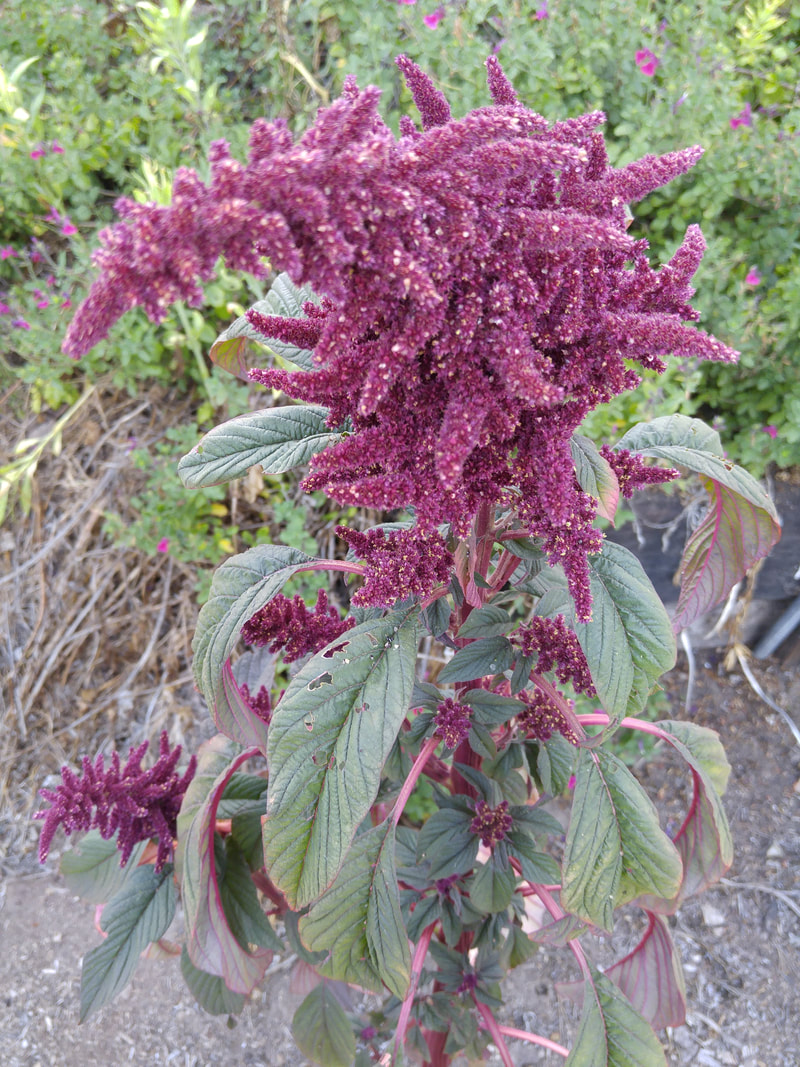
Amaranth's younger leaves are nice in salads or stir-fries. I don't know if seeds from this variety are edible. They do self-sow readily, but seedlings are easily pulled up to share or compost.
Picture
A few remaining Sungold tomatoes.
Picture
Haemanthus bloom reaching up through another plant's foliage.
Picture
Gomphrena decumbens' cute little pom-poms.
Picture
The difference a day makes -- every single fig disappeared overnight before it occurred to me to wrap some of the heavily-laden branches with fruit-tree netting. Even this variety that remains green-skinned when it's ripe, which I'd figured would foil the critters! Apparently they've learned. Argh!
Picture
Li jujube can be eaten all during its ripening stages - crunchy and slightly sweet when green, sweeter when blushed-brown, and drier and very sweet when shrivelled brown -- like it's common name, Chinese Date.
Picture
Amarcrinum
Picture
Plectranthus with variegated foliage and sky-blue bloom.
Picture
Cane begonia has attractively sptted foliage and bright pink blossoms.
Picture
Hoya carnosa
Picture
Eucomis - Pineapple Lily.
Picture
My first plumeria and still my favorite, with its pink stripe on one side of each white petal centered by yellow.
     The bit of chill each morning alerts us to the changing of season, from summer to fall and the resulting refocus on cool-season veggie and posy crops.  Even though daytime temperatures will continue to be blasting hot – this week’s threatened highs are in the high 90-degrees – but we know the trend is ultimately toward cooler temperatures.  So we can begin the first of several sowings of overwintering types of edibles and posies. 
 
Seeding Veggies
    Last night, I sowed into my seed trays bok choy, celery, chard, chives, cilantro, collards, several other greens, kale, leeks, lettuce, onions, parsley and spinach.  Next week, directly into the beds where they’ll mature, I’ll sow beets, carrots, garlic, kohlrabi, peas and radishes.  I’ll wait another month to purchase seedlings from nurseries of broccoli, cabbage and cauliflower since they’re always much stronger than ones I start from seeds.
     This time around, I was much more careful than I’ve been in the past about allowing only 2 seeds to fall into each section of the seed trays.  Even if both of the seeds germinate, this will allow their root systems to develop more fully.  Then, when they’re ready for transplanting, I’ll sacrifice the weaker of the two plantlets by cutting it off at the soil surface so I don’t disturb the root ball.  The cut bits of foliage will go into that night’s salad.
 
Ordering Flowering Bulbs and Planting Seedlings    
     On the pretty side, I ordered several kinds of flowering bulbs from online sources so I’ll receive them as soon as they’re shipped, in a month or so, perfect time to plant into the cooling soil.  Wouldn’t it be wonderful to have some rain then to water them in!
     I’ll also keep my eye on bulbs becoming available in local nurseries so I can immediately purchase the freshest, largest ones for planting.  I know to choose big, plump bulbs as these have the most stored food and will produce the largest and most numerous blooms over the longest period of time. This is definitely NOT the time to wait for bargain prices at the end of the season!
     When considering which bulb varieties to purchase, try to stay with ones that supposedly thrive within our local zones 9 and 10, especially if you’re interested in their potentially multiplying each year.  Bulbs suitable for colder zones won’t get enough cold from our “winters” so probably won’t bloom or even survive past this first year. 
     I know this because in the past I’ve purchased quite a selection of different colors and shapes of daffodils, only to have them never reappear the following year.  And this situation gets even worse with our increasingly warm winters due to climate change. 
     As overwintering flowering seedlings become available in nurseries, both annuals and perennials, I purchase some that promise long-time color until early spring.  Some, like Johnny-Jump-Ups, I keep in mind to plant on top of the bulbs in large containers to offer color before, during, and after the bulbs do their thing.
 
2021 Tomato Results
     This wasn’t a great year for my tomatoes, with 1013 fruits from 30 plants.  Although this total number sounds good, 828 of them were from cherry-sized fruits, and only 185 of them either medium or large sized.  The real successes were for two Sungold plants that yielded 667 fruits that I actually picked and ate, with many more going to my neighbors’ additional harvesting. The other good producers were Black Cherry, Celebrity, Green Zebra and Stupice. 
 
185 Medium- to Large Fruits
14 Black Krim
1 Black Russian
3 Brandy Boy
7 Carbon
63 Celebrity – 3 plants
2 Cherokee Carbon
11 Cherokee Purple – 2 plants
30 Green Zebra
0 Kellogg’s Breakfast (that’s right, none)
5 Paul Robeson – 2 plants
6 Pineapple
32 Stupice
7 volunteers – 2 plants transplanted from my compost pile
 
828 Small and Cherry Fruits
1 Atomic Fusion
93 Black Cherry
1 Black Zebra
3 Brad’s Atomic Grape
1 Indigo Gold Berries
11 Isis Candy
20 Jaune Flamme
667 Sungold – 2 plants
31 volunteer – another seedling transplanted from my compost pile that I have no idea what it was!
 
Taste Winners
My favorites in the flavor department are – in alphabetical order – Black Krim, Celebrity, Cherokee Purple, Isis Candy and Sungold.  I’ll grow these varieties every year, usually with multiple plants because they’ve been so successful.
 
For more gardening opportunities and tasks, see September Monthly Tips

<<Previous
Forward>>

    Archives

    June 2026
    May 2026
    April 2026
    February 2026
    January 2026
    December 2025
    November 2025
    September 2025
    July 2025
    June 2025
    April 2025
    February 2025
    January 2025
    December 2024
    November 2024
    October 2024
    September 2024
    August 2024
    July 2024
    June 2024
    May 2024
    April 2024
    March 2024
    February 2024
    January 2024
    December 2023
    November 2023
    October 2023
    September 2023
    August 2023
    July 2023
    June 2023
    May 2023
    April 2023
    March 2023
    February 2023
    January 2023
    December 2022
    November 2022
    October 2022
    September 2022
    August 2022
    July 2022
    June 2022
    May 2022
    April 2022
    March 2022
    February 2022
    January 2022
    December 2021
    November 2021
    October 2021
    September 2021
    August 2021
    July 2021
    June 2021
    May 2021
    April 2021
    March 2021
    February 2021
    January 2021
    December 2020
    November 2020
    October 2020
    September 2020
    August 2020
    July 2020
    June 2020
    May 2020
    April 2020
    March 2020
    February 2020
    January 2020
    December 2019
    November 2019
    October 2019
    September 2019
    August 2019
    July 2019
    June 2019
    May 2019
    April 2019
    March 2019
    February 2019
    January 2019
    December 2018
    November 2018
    October 2018
    September 2018
    August 2018
    July 2018
    June 2018
    May 2018
    April 2018
    March 2018
    February 2018
    January 2018
    December 2017
    November 2017
    October 2017
    September 2017
    August 2017
    July 2017
    June 2017
    May 2017
    April 2017
    March 2017
    February 2017
    January 2017
    December 2016
    November 2016
    October 2016
    September 2016
    August 2016
    July 2016
    June 2016
    May 2016
    April 2016
    March 2016
    February 2016
    January 2016
    December 2015
    November 2015
    October 2015
    September 2015
    August 2015
    July 2015

    Categories

    All

    RSS Feed

© 2015 Yvonne Savio. All Rights Reserved.                                                                                                                                                         Web Design by StudioMAH.